


 Menu
Menu Back
BackPlanning a Solarium in California: Design, Installation, and Winter Care
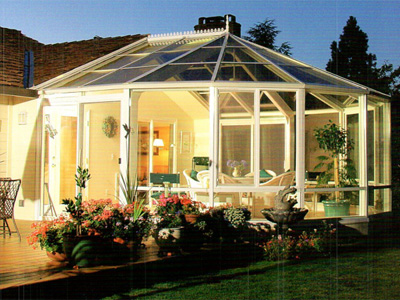 A solarium can be one of the most enjoyable upgrades you can add to a California home. It creates a bright, comfortable space that feels connected to the outdoors, without constant exposure to wind, insects, or temperature swings. Whether you're envisioning a sunny breakfast room, a plant-filled retreat, or an all-season lounge, the key is planning the solarium as a true extension of your home: designed for your site conditions, installed correctly, and set up to perform through winter rains, cool nights, and coastal moisture.
At Patio Covers and More, we help homeowners plan solariums that look intentional, function year-round, and hold up to real California weather.
What Exactly Is a Solarium?
A solarium is a glass-forward enclosed space, often built as an addition or enclosure, that maximizes natural light. In California, solariums are popular because they allow you to enjoy that "outdoor living" feeling while staying protected from chilly evenings, seasonal rain, and occasional high winds. Depending on your goals, a solarium can be:- A fully conditioned room (tied into HVAC)
- A three-season room (comfortable most of the year with targeted heating/cooling)
- A sunroom-style enclosure with ventilation and shading controls
Step 1: Start With How You'll Use the Space
Before choosing materials or style, define how the solarium needs to work for your household. Ask:- Will this be a daily living area or an occasional retreat?
- Do you want it comfortable during summer heat waves and winter evenings?
- Will you use it as a plant room (humidity and drainage matter)?
- Do you want dining space, lounge space, or both?
- Will you need privacy from neighbors?
Step 2: Choose the Best Location and Orientation
In California, orientation can make or break solarium comfort. The sun is a gift… until it turns into glare and overheating.- South-facing solariums get strong light and warmth, excellent in cooler areas, but they need shading and good glass selection in inland heat.
- West-facing spaces can overheat in afternoon sun. Consider tinted or Low-E glass glass, exterior shades, or roof overhangs.
- North-facing solariums provide softer, consistent light, often more comfortable, especially near the coast.
- East-facing is great for morning light and tends to stay cooler later in the day.
Step 3: Design Decisions That Matter Most
A solarium has many style options, but a few design choices have the biggest impact on performance.Roof Style
- Gable roofs can look more "architecturally appealing" and help with heat buildup.
- Studio/shed roofs are sleek and work well with many home profiles.
- Integrated roof systems may be needed when tying into an existing roofline.
Glass and Framing
The glass you choose impacts comfort, energy use, and maintenance.- Low-E glass helps reduce heat transfer and improves year-round comfort.
- Tempered/laminated safety glass increases durability and safety.
- Thermally improved frames reduce condensation and temperature transfer.
Ventilation and Shade Control
California weather varies, but ventilation is always important.- Operable windows, vent panels, or sliding doors help release heat.
- Ceiling fans can dramatically improve comfort.
- Exterior or interior shading (blinds, shades or solar screens) reduces glare and protects furnishings.
Step 4: Installation: Where Quality Really Counts
A solarium is only as good as its installation. Even premium materials can fail if the foundation, flashing, and seals aren't handled correctly. Professional installation typically includes:- Proper footings or slab prep for stability
- Structural tie-ins to the home that support long-term performance
- Correct flashing and waterproofing at roof connections
- Precise sealing to prevent drafts, leaks, and moisture intrusion
- Thoughtful integration of doors, windows, and thresholds
Step 5: Winter Care in California (Yes, It Still Matters)
California winters may be mild compared to other regions, but solariums still need seasonal care, especially with rain, coastal moisture, and cool night time temperatures.Prevent Condensation
Condensation happens when warm, humid air meets cooler glass.- Use ventilation regularly, even in winter.
- Run a ceiling fan to circulate air.
- Consider a small dehumidifier if you keep lots of plants inside.
Check Seals and Drainage
Before and during the rainy season:- Inspect weatherstripping and silicone seals for gaps or cracking.
- Clear gutters and nearby drains to prevent pooling.
- Make sure weep channels (if present) stay unobstructed.
Clean the Glass the Right Way
Winter grime builds up fast in stormy periods.- Use non-abrasive cleaners and soft cloths.
- Avoid harsh chemicals that can degrade seals.
- Rinse frames and tracks to prevent dirt accumulation.
Protect Furnishings
Even with good glazing, UV exposure adds up.- Use shades during peak sun hours.
- Choose UV-resistant fabrics if you're furnishing the space fully.
Bringing It All Together
A well-planned solarium can become the most used room in your home, bright, relaxing, and versatile across seasons. The difference between "pretty" and "perfect" comes down to smart planning: choosing the right orientation, selecting glazing that matches your climate, installing with strong weather detailing, and maintaining the space through winter.If you're considering a solarium, Patio Covers and More can help you plan it with clarity, so it looks great, performs reliably, and stays comfortable all year long. For more information on our patio covers, call Patio Covers and More at 510-363-5547. Or message us using our Online Form. We will get back to you shortly.