


 Menu
Menu Back
BackAttached vs Freestanding Patio Covers in CA: Which Design Works Best for Your Home?
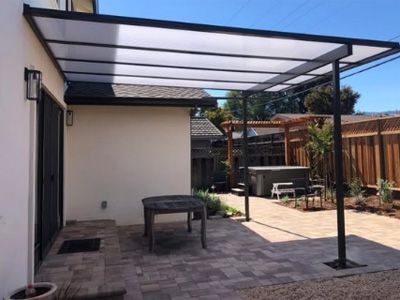 Choosing the right patio cover design in California isn't just about style - it's about structure, sun exposure, drainage, and how your outdoor space connects to your home. For homeowners in Los Angeles, Sacramento, and surrounding communities, the decision typically comes down to two primary options: attached patio covers or freestanding patio covers.
At Patio Covers and More, we help homeowners evaluate not just aesthetics, but also engineering practicality, HOA guidelines, roofline compatibility, and long-term performance in California's diverse climate zones.
Understanding the Structural Difference
Attached Patio Covers
An attached patio cover is structurally connected to the home. It is secured to the exterior wall and often integrates with the existing roofline. This design creates a seamless extension of indoor living space into the backyard.In many Los Angeles homes - especially tract housing with defined rear elevations - attached covers provide a clean architectural look. Because they integrate directly into the structure, they can also provide greater wind resistance when properly engineered.
Attached systems require careful flashing and waterproof integration at the point where the cover meets the home. Drainage planning is critical to prevent water intrusion, particularly in areas that experience heavy winter rains.
Freestanding Patio Covers
Freestanding patio covers are completely independent structures. They are supported by their own posts and do not connect directly to the house. This design is ideal when homeowners want flexibility in placement - over a pool area, detached seating space, or deeper into the yard.In Sacramento properties, where lot sizes are often larger and backyard layouts vary widely, freestanding covers allow homeowners to create shaded zones away from the home's footprint.
Because they don't attach to the house, freestanding covers may simplify certain structural concerns - but they still require proper footings, engineering, and drainage planning.
Structural Integration & Roofline Compatibility
One of the most important considerations in California homes is how a patio cover interacts with the existing roof.Attached patio covers must align with:
- Roof pitch
- Fascia condition
- Load-bearing framing
- Drainage pathways
When insulation and thermal comfort are priorities - especially in hotter Sacramento summers - homeowners often consider insulated patio covers. These panels reduce heat transfer and make attached systems more comfortable year-round.
Freestanding covers, by contrast, do not rely on roofline alignment. This makes them attractive for properties where the home's architecture makes attachment impractical.
Sun Orientation & Climate Considerations
California's climate varies dramatically between coastal Los Angeles and inland Sacramento.- Los Angeles: More consistent sun exposure and mild winters. West-facing patios can experience intense afternoon glare. Attached covers help shade windows and reduce interior heat gain.
- Sacramento: Hotter summers with stronger overhead sun angles. Insulated panels are often preferred to reduce radiant heat buildup.
For homeowners seeking additional structural versatility, many pair freestanding designs with elevated deck covers to protect upper-level outdoor living areas.
HOA & Permitting Considerations
In many California communities - especially HOA-regulated developments in Los Angeles suburbs - attached patio covers must meet strict architectural guidelines. Because they alter the home's exterior façade, HOA review is typically required.Freestanding covers sometimes face fewer architectural restrictions, but they still require:
- Engineered drawings
- Proper footings
- Local permit approval
- Compliance with setback requirements
Drainage & Water Management
Water control is a major factor in deciding between attached and freestanding systems.Attached patio covers must:
- Be flashed properly at the ledger
- Direct water away from foundation walls
- Integrate gutters without overwhelming existing downspouts
Backyard Layout Constraints
Your lot size and yard configuration often determine which design works best.Attached patio covers work well when:
- The patio sits directly behind the home
- You want seamless indoor-outdoor flow
- You're shading sliding doors or kitchen windows
- The yard is deep or irregular
- You want coverage over a pool
- You need flexible placement independent of the house
When Cantilever Systems Are Preferred
Cantilever patio covers are often chosen when homeowners want:- Minimal visual obstruction
- No front support posts
- Clean, modern aesthetics
- Open sightlines toward a pool or landscape
Cantilever systems require careful engineering to handle wind uplift and structural loads, but when installed correctly, they provide both performance and architectural appeal.
Which Design Is Right for Your Home?
The best patio cover design depends on:- Roof structure
- HOA requirements
- Backyard dimensions
- Sun orientation
- Drainage compatibility
- Desired aesthetic
At Patio Covers and More, we evaluate each property individually - whether in Los Angeles hillside neighborhoods or Sacramento suburban developments - to ensure the design works structurally, visually, and functionally for your home.
If you're considering upgrading your outdoor living space, exploring the right patio cover structure is the first step toward building a comfortable, durable extension of your home that performs well in California's unique climate. Contact Patio Covers and More today at 510-363-5547. Or message us using our Online Form. We will get back to you shortly.